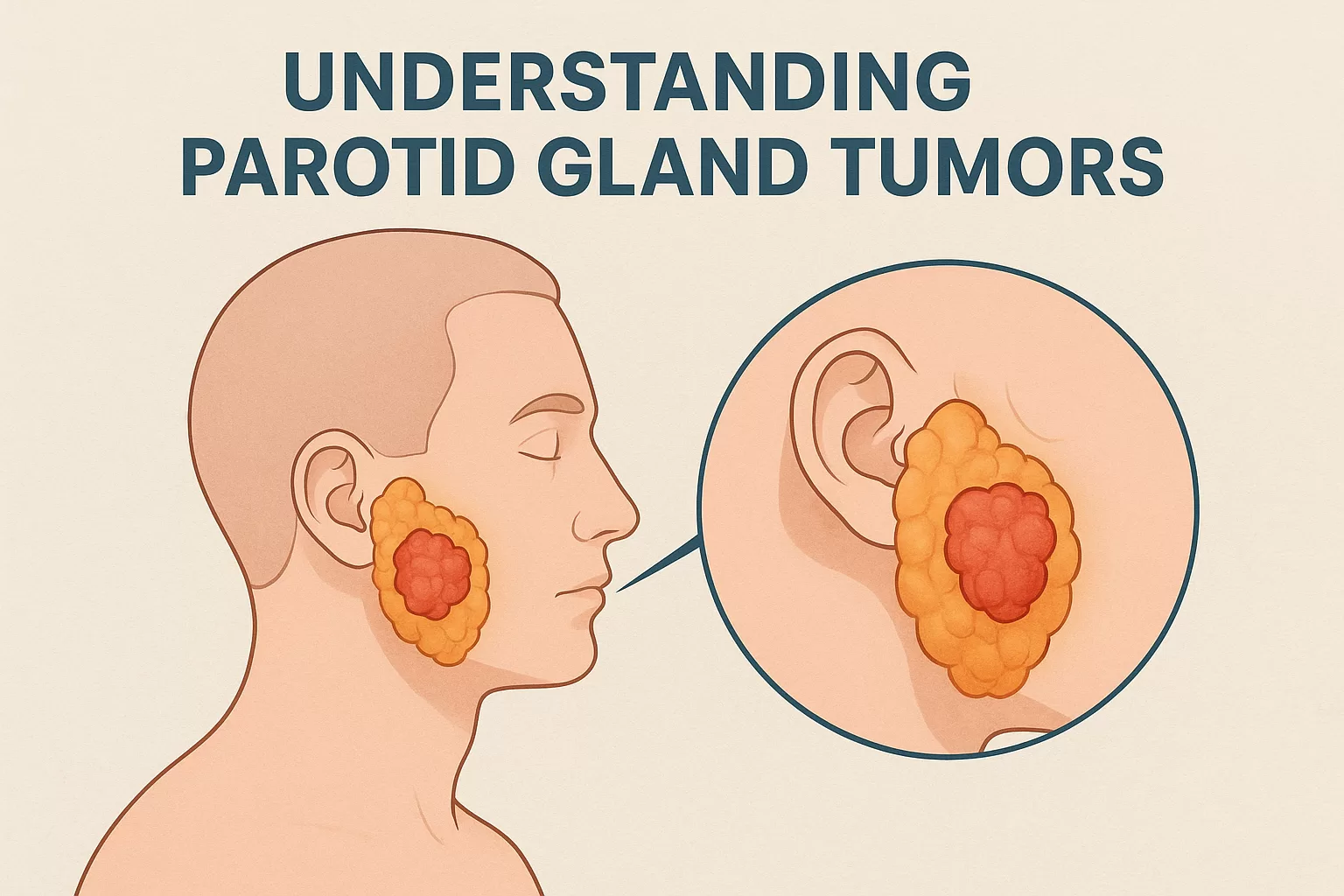
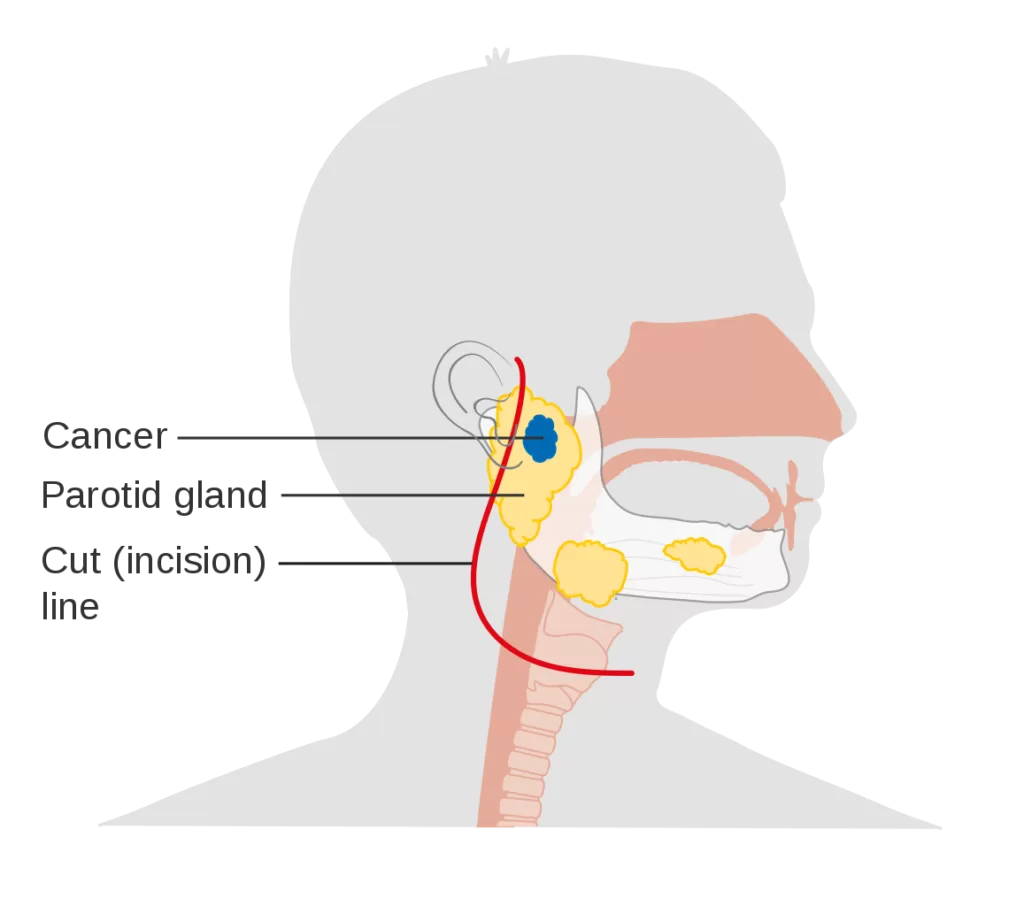
Your doctor will start with a physical exam to feel the lump and check facial nerve function. Imaging tests such as ultrasound, MRI, or CT scans help assess tumor size and extent. A biopsy, often done through fine needle aspiration (FNA), allows doctors to analyze the tumor cells and determine if the tumor is benign or malignant.
Treatment Options
Treatment depends on the tumor type and stage:
- Surgery: This is the main treatment for most parotid tumors. The goal is complete removal while preserving the facial nerve, which controls facial movements. For benign tumors, surgery often leads to a complete cure.
- Radiation Therapy: Usually recommended for malignant tumors after surgery, or when tumors are not fully removable.
- Chemotherapy: Sometimes used for advanced or aggressive cancers, but not commonly the first-line treatment.
Prognosis
Most benign parotid tumors have an excellent prognosis after surgery, with a low risk of recurrence. Malignant tumors vary greatly depending on their stage and aggressiveness, but early detection and treatment improve survival chances.
When to See a Doctor
If you detect any unusual swelling or lumps near your jaw or ears or experience changes in facial movements, do not delay seeking medical advice. Early diagnosis and treatment are essential for the best outcomes.