Key Aspects of Vaginal Dilation:
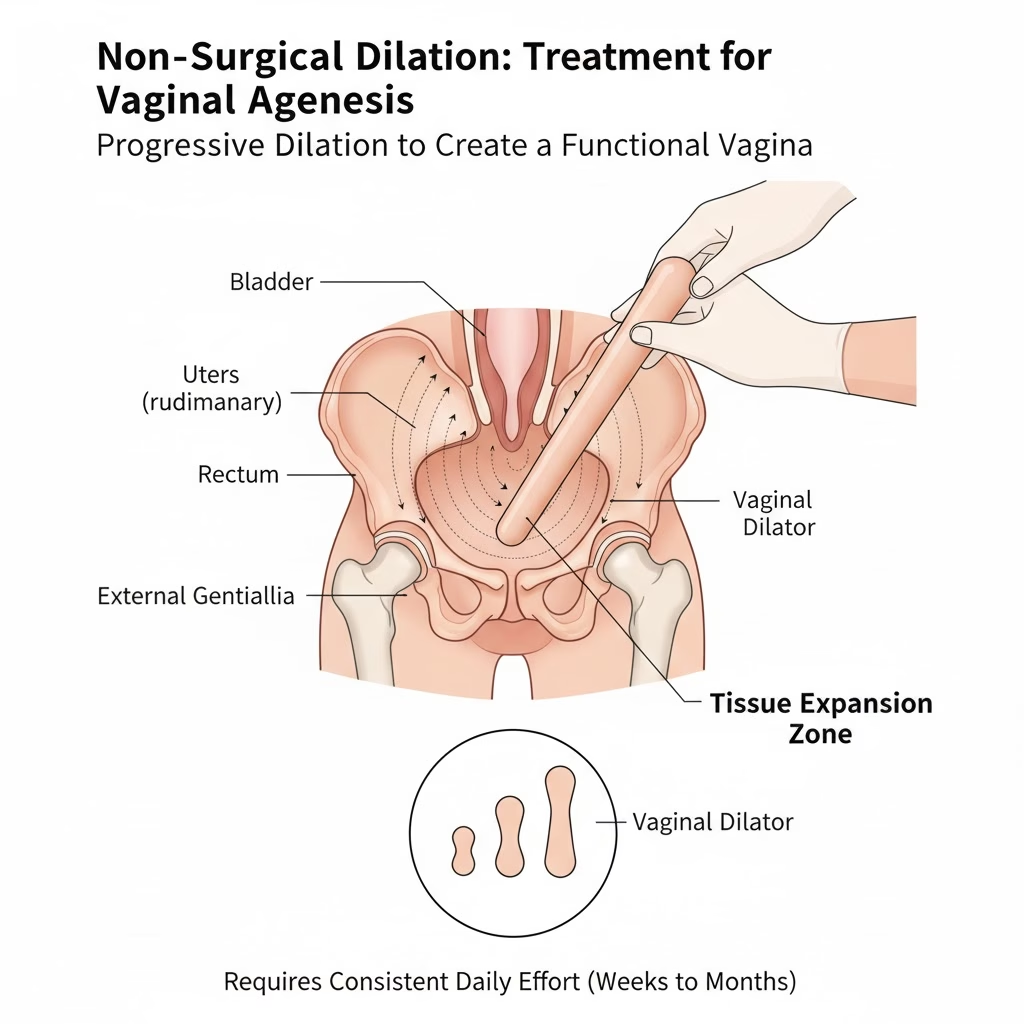
- Purpose: To gradually stretch existing tissue and create a functional vaginal canal that allows for comfortable sexual activity.
- Method: A set of smooth, cylindrical dilators, usually made of medical-grade plastic or silicone, are used. These dilators vary in size, starting small and increasing in diameter and length.
- Process:
- Lubrication: A water-based lubricant is applied to the dilator.
- Insertion/Pressure: The smallest dilator is gently inserted into the shallow vaginal opening (or pressed against the perineal area where the opening should be), applying steady, gentle pressure towards the tailbone.
- Duration: The dilator is held in place for a specified period, typically 10-30 minutes per session.
- Progression: As the tissue stretches and adapts, the individual gradually moves to the next larger dilator in the set. This progression is based on comfort and should not involve forcing.
- Frequency: Dilation is usually performed daily or several times a week. Consistency is crucial for success.
- Maintenance: Once the desired depth and width are achieved, ongoing maintenance is necessary. This may involve less frequent dilation or regular sexual intercourse to prevent the canal from shrinking.
- Benefits: It’s a non-invasive approach, has a high success rate, and avoids the risks associated with surgery.
- Challenges: It requires significant commitment, patience, and can be emotionally challenging. Psychological support is often recommended.
- Professional Guidance: It’s essential to perform dilation under the guidance of a healthcare professional (e.g., gynecologist, pelvic floor physical therapist) who can provide instructions, monitor progress, and offer support.
Fertility and Sexual Function After Treatment
Women with vaginal agenesis who receive appropriate treatment can achieve satisfactory sexual function and intimacy. Fertility outcomes depend on the presence and health of uterine and ovarian structures. Women with functioning uterus may conceive naturally or with assisted reproduction, while others may explore surrogacy or adoption.
Recovery and Long-term Care
Post-treatment, follow-up includes:
- Continued use of vaginal dilators to prevent narrowing (stenosis)
- Monitoring for infection, scarring, or comfort issues
- Psychological counseling and support resources
Dr. Jyoshid Balan and his multidisciplinary team provide comprehensive care embracing surgical excellence and emotional support to empower patients.
When Should You Seek Medical Advice?
If your child or you have not started menstruation by age 15 or exhibit symptoms such as a vaginal dimple, pelvic pain, or difficulty with intimacy, consult a healthcare provider promptly. Early evaluation enables targeted treatment that enhances reproductive and sexual health.