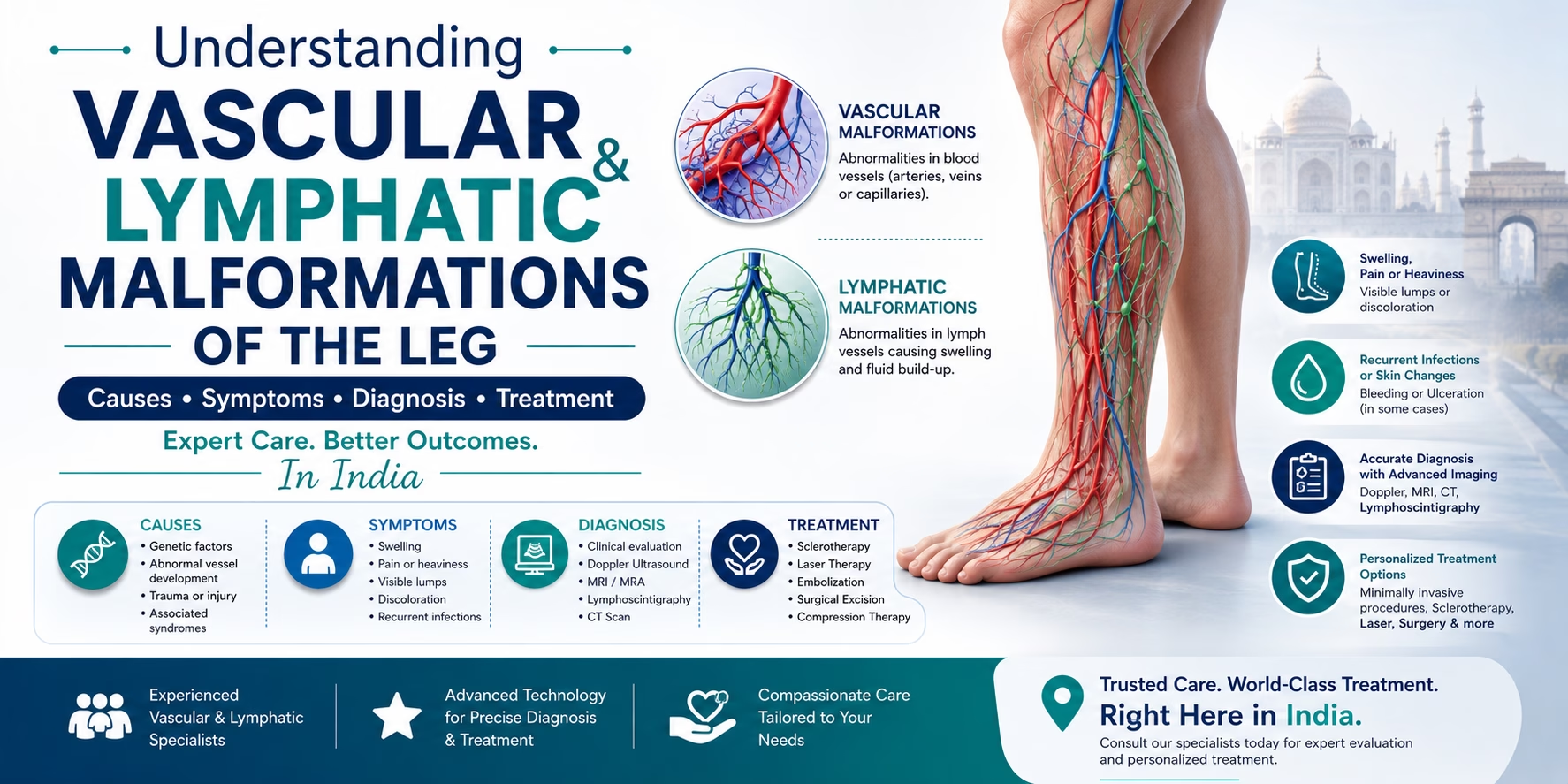
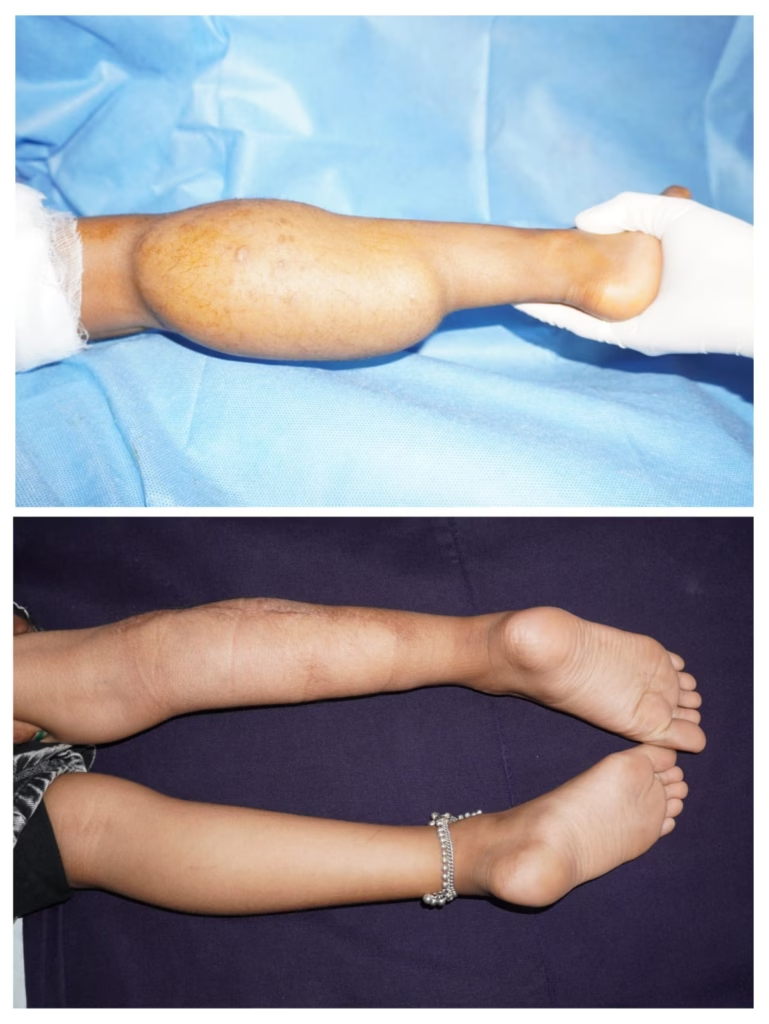
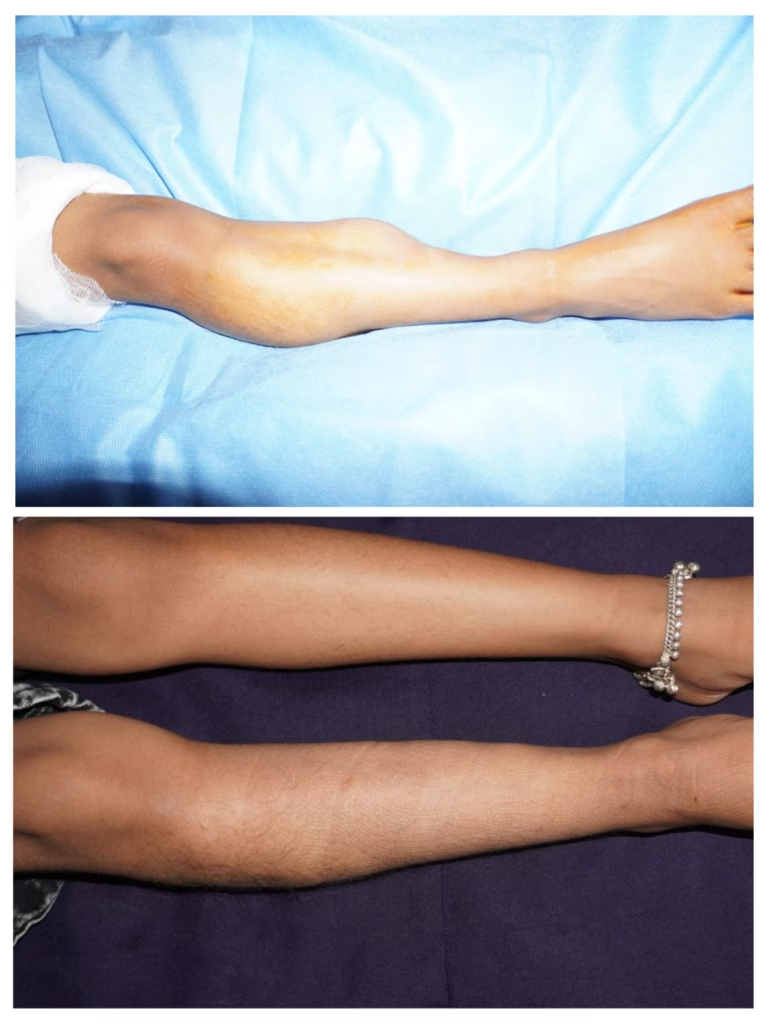
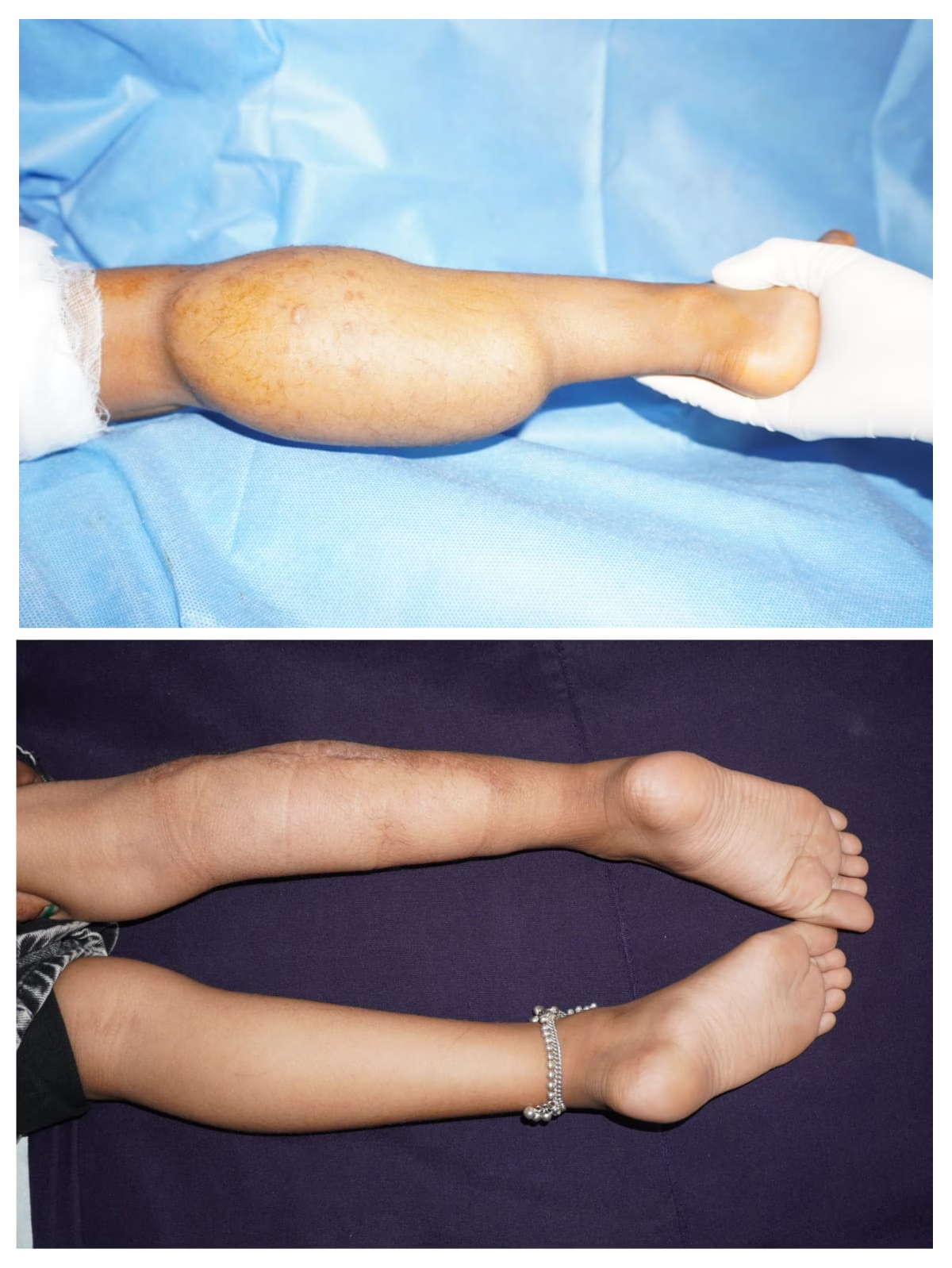
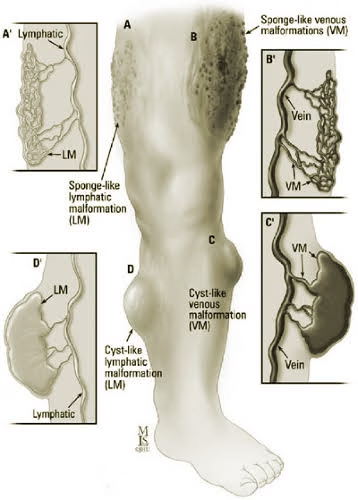
Vascular malformations are abnormal clusters of blood vessels that form during development in the
womb, rather than growing later in life. Unlike tumours, they don’t grow by rapid cell division — instead,
they grow in proportion to the child’s body, though they can also enlarge due to trauma, hormonal
changes (such as puberty or pregnancy), or infection.
Vascular malformations are broadly classified based on the type of vessel involved:
• Capillary malformations — commonly seen as flat, pink-to-red birthmarks (often called “port-wine
stains”) that persist and darken with age.
• Venous malformations — soft, compressible, bluish swellings that tend to enlarge with
dependency (hanging the limb down) and can cause pain, especially after exertion.
• Arteriovenous malformations (AVMs) — high-flow lesions where arteries connect directly to veins
without a normal capillary bed in between. These are often warm to touch, can pulsate, and are more
prone to bleeding and rapid progression.
• Lymphatic malformations — discussed in detail below, as they involve the lymphatic rather than
blood vascular system.
• Combined/complex malformations — involving more than one vessel type together.