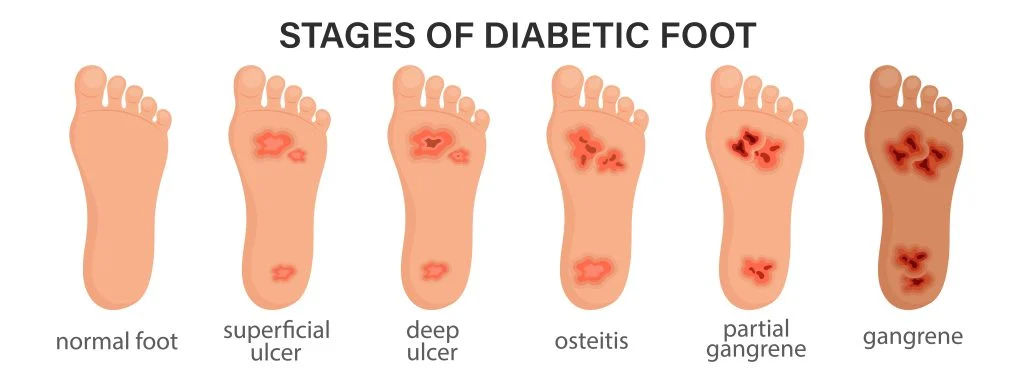
Diabetes is a chronic condition that affects millions worldwide, and one of its most serious complications is the diabetic foot. Poor blood circulation, nerve damage, and delayed wound healing can lead to severe ulcers, infections, deformities, and in extreme cases, amputation. Fortunately, advances in plastic and reconstructive surgery—like diabetic foot reconstruction surgery—offer a lifeline for patients at risk of losing their limbs.
This blog explores the surgical techniques, benefits, and recovery process of diabetic foot reconstruction, especially under the care of experts like Dr. Jyoshid Balan in Kerala.
Understanding Diabetic Foot Complications
Diabetic foot problems usually begin with small injuries or pressure points that go unnoticed due to neuropathy (loss of sensation). When untreated, these minor wounds can become chronic ulcers. Poor blood flow (ischemia) prevents healing, while infections spread quickly. Over time, foot structure can collapse, leading to deformities like Charcot foot.
Reconstructive surgery becomes necessary when:
- Chronic ulcers don’t heal with conservative treatment
- Severe infections threaten bone and tissue
- Structural deformities increase risk of repeated injury
- Previous amputations need correction or support
Surgical Techniques Used in Diabetic Foot Reconstruction
Dr. Jyoshid Balan, with his expertise in microsurgery and wound reconstruction, tailors each surgery based on the individual’s condition. Common techniques include:
Debridement and Wound Preparation
This initial step removes dead or infected tissue. It’s essential for infection control and sets the stage for reconstruction.
Skin Grafts
Split-thickness or full-thickness skin grafts cover large wounds that are clean but not healing on their own. Skin is often taken from the thigh or buttocks.
Local or Regional Flaps
If skin grafts aren’t enough due to poor vascular supply, local flaps (rotating nearby healthy tissue) or regional muscle flaps are used. These bring new blood supply to the area, promoting healing.
Free Tissue Transfer (Microsurgical Flaps)
In complex cases, tissue from distant parts of the body—like the thigh or back—is transplanted using microvascular surgery. This is often used when large wounds expose bones or tendons.
Tendon Transfers and Bone Realignment
For deformities such as Charcot foot, surgical correction involves straightening bones, stabilizing joints, and shifting tendons to restore foot shape and function.
Amputation and Limb Salvage
In extreme cases, limited amputation (e.g., toes or part of the foot) may be necessary. Reconstructive techniques then help restore mobility and reduce recurrence.
Benefits of Diabetic Foot Reconstruction Surgery
Patients undergoing reconstruction under the care of specialists like Dr. Jyoshid Balan experience several benefits:
- Limb Preservation: Avoiding major amputation improves quality of life and long-term survival.
- Enhanced Healing: Surgical closure techniques promote faster wound healing compared to prolonged dressings.
- Improved Foot Function: Realigning bones and tendons restores better walking ability and prevents further injuries.
- Reduced Recurrence: By correcting the underlying causes of ulcers (like deformities or pressure points), recurrence rates drop significantly.
- Boost in Confidence: Healing chronic wounds and restoring foot shape greatly improves mental health and self-esteem.
Recovery and Aftercare
Recovery depends on the procedure performed and the patient’s general health. Most patients need:
- Hospital Stay: 3–7 days, especially for flap or microsurgery procedures
- Wound Monitoring: Regular check-ups to ensure proper healing and catch infections early
- Pressure Offloading: Special footwear or orthotic devices to relieve pressure from healing areas
- Diabetes Management: Strict glucose control is essential for successful recovery
- Physiotherapy: Especially after structural correction, rehab helps restore mobility
Dr. Jyoshid Balan and his team at Elite Mission Hospital, Thrissur, provide comprehensive diabetic foot care—from wound care and surgery to long-term support.
Contact Dr. Jyoshid Balan
📍 Sushrutha Institute of Plastic Surgery
Elite Mission Hospital, Koorkenchery, Thrissur – 680007, Kerala, India
📞 +91-8113005557 | 📧 drjosh4u@gmail.com
🌐 www.drjosh.in
📸 Instagram: @drjosh_plasticsurgeon