Cleft lip and palate are among the most common congenital conditions affecting the face. Yet, despite their prevalence, the journey to complete restoration — both functionally and aesthetically — remains complex. It’s not just about correcting a split in the lip or palate; it’s about restoring facial harmony, breathing function, speech clarity, and most importantly, a person’s confidence and identity.
At the heart of this work is Dr. Jyoshid Balan, a specialist in cleft rhinoplasty and craniofacial reconstruction. Week after week, he quietly transforms lives, combining surgical precision with empathy and long-term vision.
The Challenges of Cleft Rhinoplasty
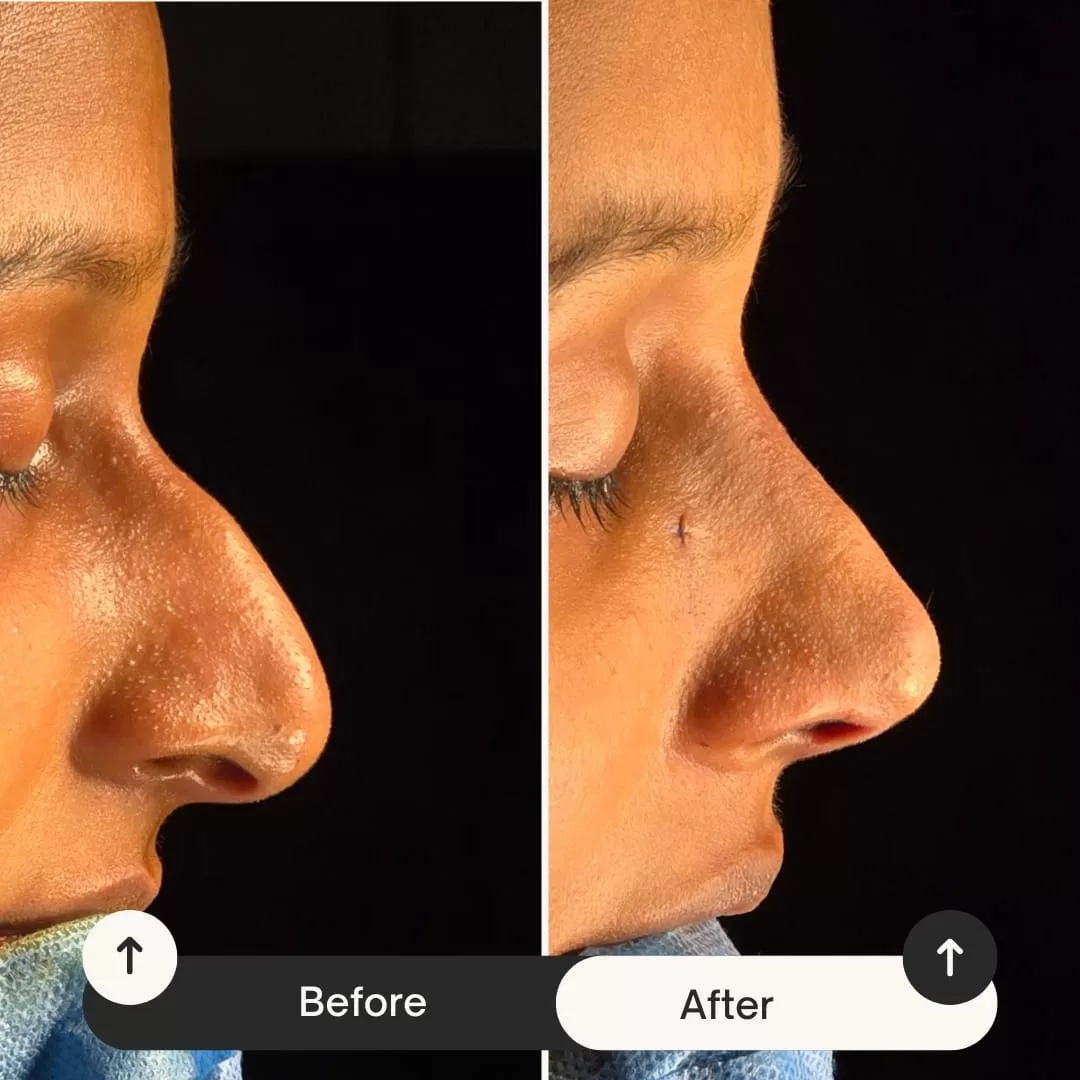
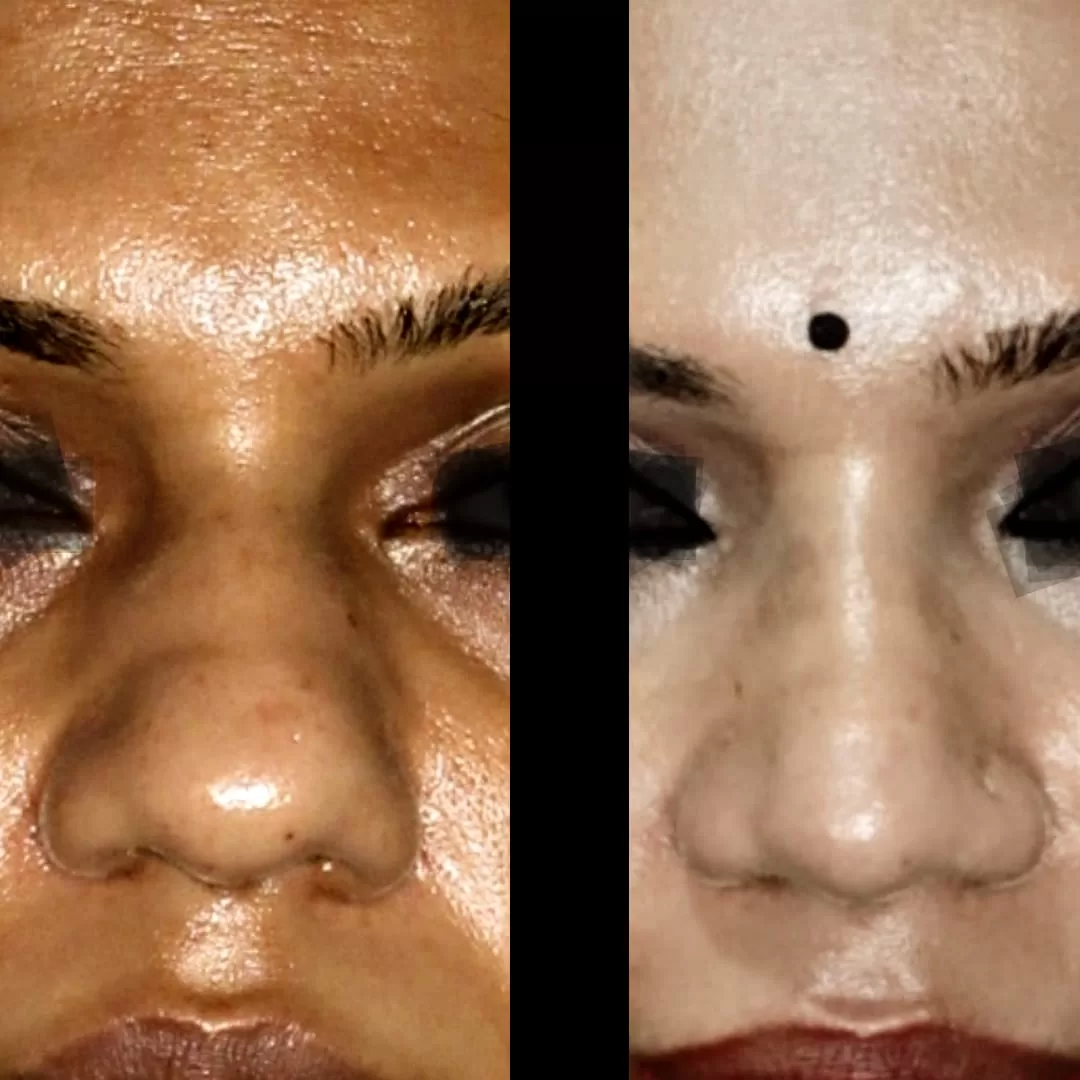
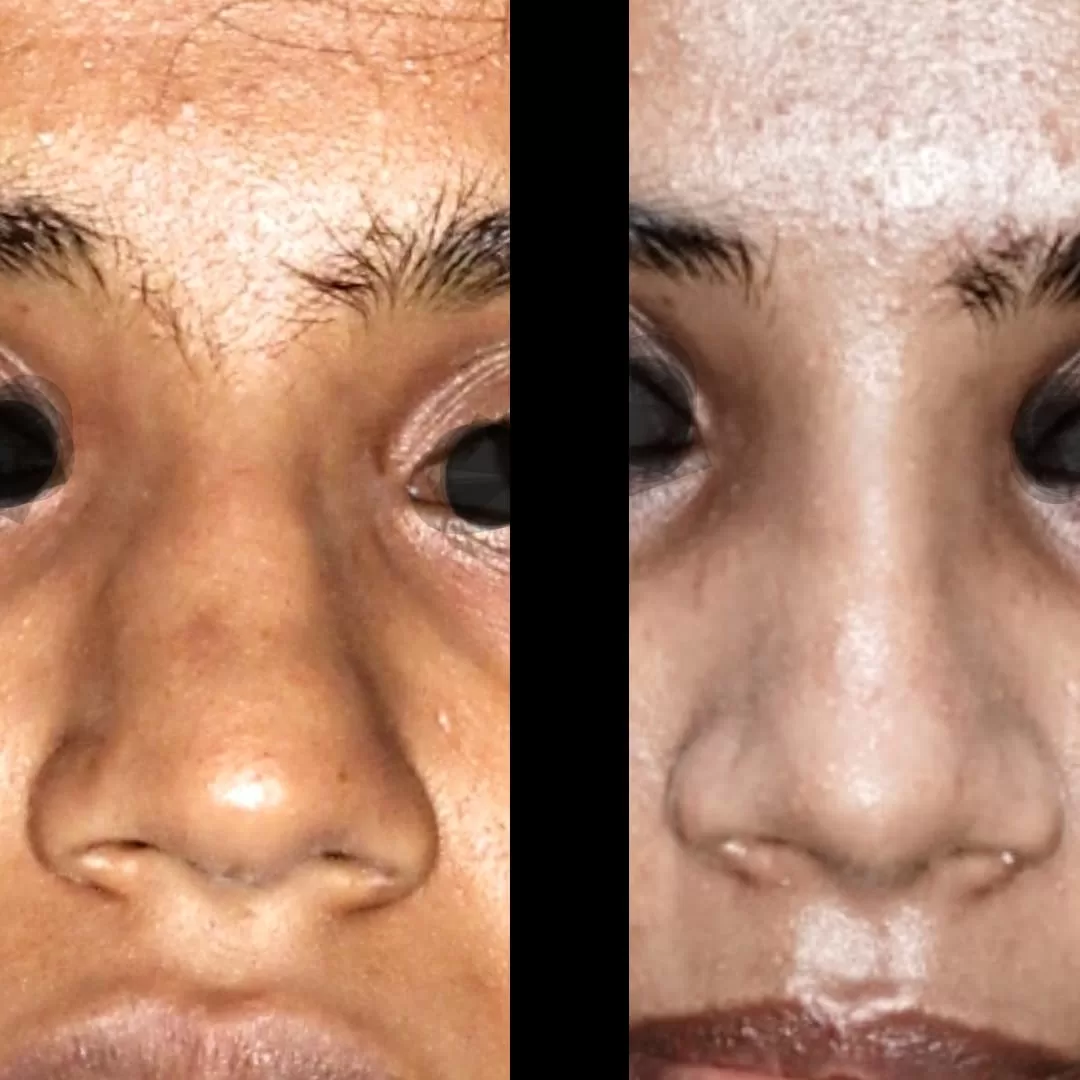
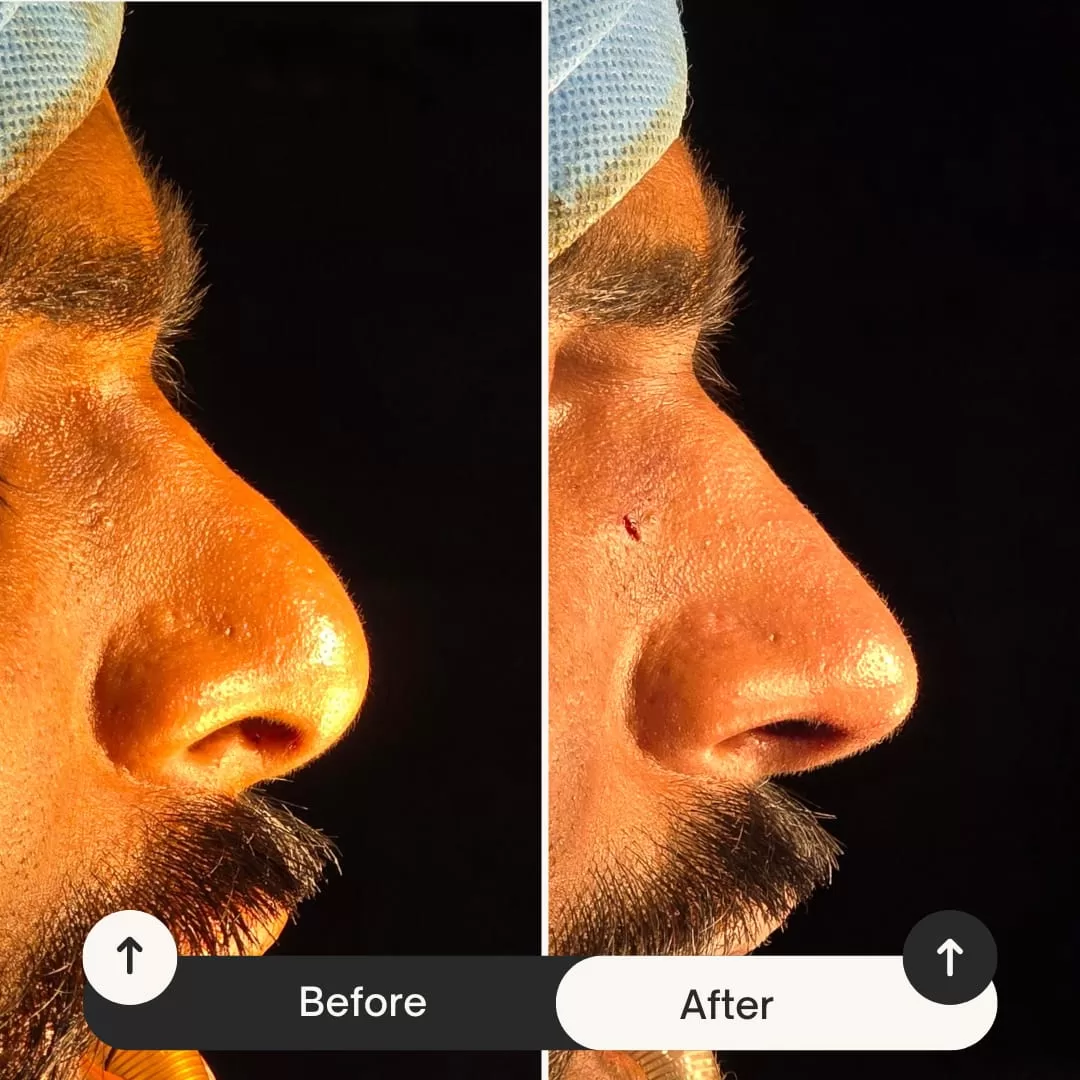
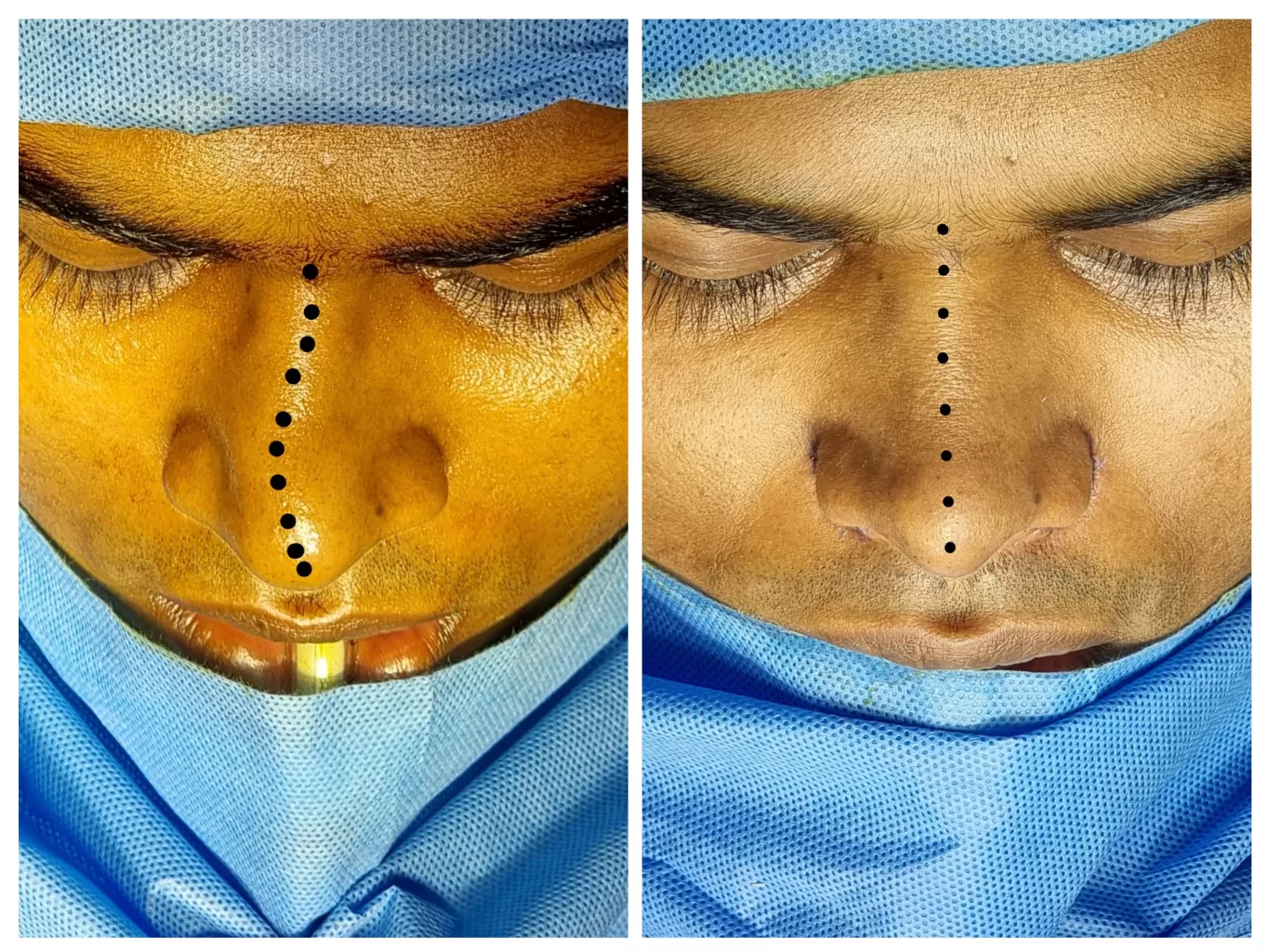
Rhinoplasty for cleft patients is dramatically more difficult than standard nose reshaping surgery. The nose in these individuals often presents with:
- Asymmetry or collapse of the nasal tip
- Septal deviation affecting breathing
- Flattened or displaced nostrils
- Scar tissue from previous surgeries
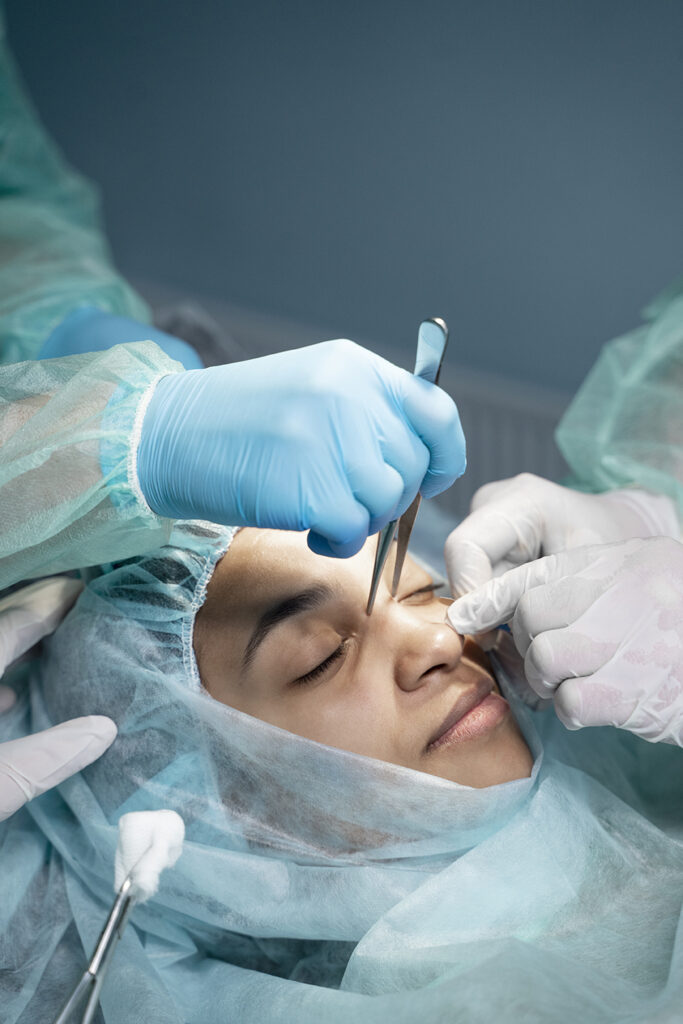
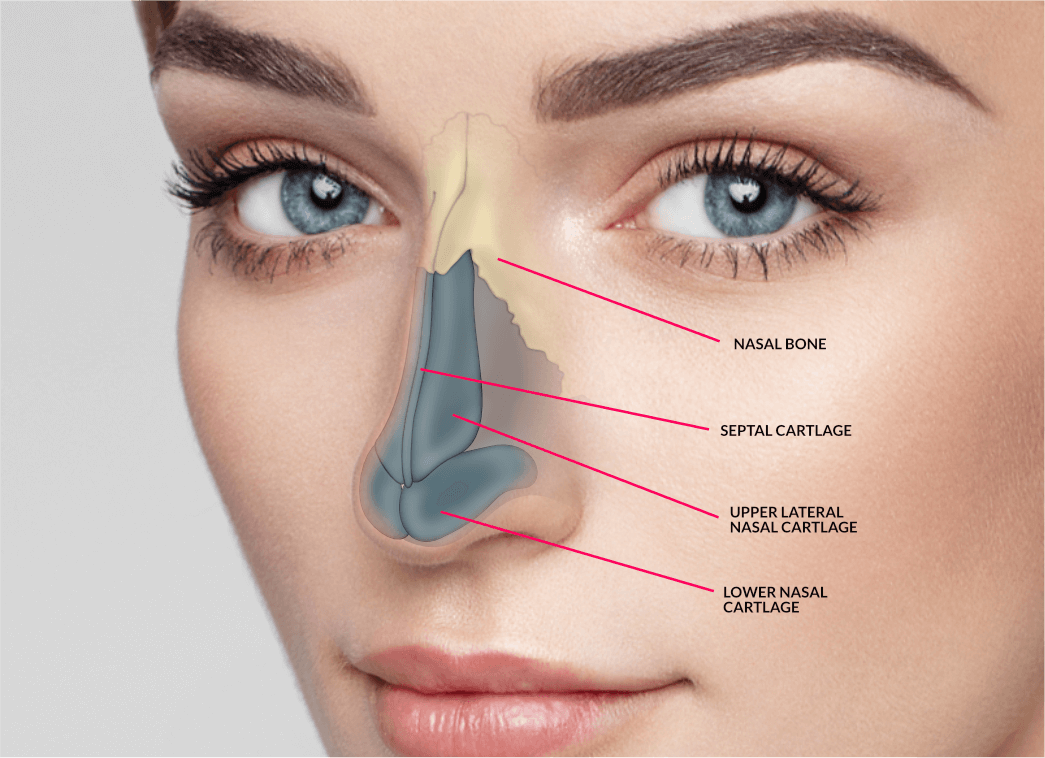
Cleft rhinoplasty isn’t only cosmetic. It’s reconstructive — often involving the repositioning of cartilage, bone grafting, and structural support techniques to restore both function and aesthetics.
More Than Just a Nose Job
In many cleft cases, lip and nose correction are inseparable. When the lip is revised, the structure of the nose often changes too — and vice versa. A nose correction can reveal a deficiency in the midface or cheek areas, requiring additional augmentation to create proper facial proportions.
That’s where bone grafting and fat grafting come in.
Cheek Deficiency: The Hidden Impact
Cheek deficiency is frequently overlooked. However, in cleft cases, the malar (cheekbone) region is often underdeveloped due to congenital bone structure anomalies. This can result in:
- A flat or sunken midface
- Poor support for the lower eyelids
- Disrupted facial symmetry
- Compensatory stress on the nose and jaw
Without addressing this deficiency, even the best rhinoplasty can look incomplete or unbalanced.
Bone Grafting: Building the Foundation
Bone grafting is a tried-and-true method to rebuild cheek projection and structure. It involves harvesting bone (usually from the hip, rib, or skull) and placing it in the deficient areas of the face. In cleft cases, this may be done to:
- Fill the alveolar cleft (the bony gap in the gumline)
- Reconstruct the malar (cheek) arch
- Support the base of the nose and midface
When integrated into cleft rhinoplasty or midface correction, bone grafting serves as a permanent, structural solution — one that resists resorption and holds shape over time.
Fat Grafting: The Art of Volume Restoration
Unlike bone grafting, which rebuilds structure, fat grafting is used to restore volume, soften transitions, and improve skin quality. Dr. Jyoshid often combines both methods for a more natural, harmonious result.
There are different types of fat grafting techniques used depending on the treatment goals:
- Micro-Fat Grafting
- Targets delicate areas like around the nose, eyes, and lips
- Ideal for subtle contouring and smoothing
- Improves tissue tone and blends scars
- Macro-Fat Grafting
- Used for bulk volume restoration, especially in hollow or sunken cheeks
- Adds projection to the midface and jawline
- Long-lasting and effective for reshaping facial contours
- Nano-Fat Grafting
- Ultra-purified fat with regenerative properties
- Used not for volume but to enhance skin quality
- Helps reduce pigmentation, scars, and fine wrinkles
- Structural Fat Grafting
- Combines fat placement with precise layering to mimic facial anatomy
- Adds both volume and scaffolding, enhancing long-term retention
- Often performed alongside rhinoplasty to ensure symmetry and proportion
The Role of Lip Revision
For many patients, cleft-related issues aren’t just about the nose or cheeks — the lip, especially the upper lip, is central to facial expression and function. Dr. Jyoshid performs lip revisions to:
- Improve symmetry and movement
- Minimize visible scarring
- Support the base of the nose
When combined with rhinoplasty and fat grafting, lip revision completes the facial triangle, ensuring balance from top to bottom.
Patient-Centered Approach: What Sets Dr. Jyoshid Apart
While many surgeons focus on the technical aspects alone, Dr. Jyoshid and his team provide whole-person care:
- Pre-surgical counseling to align expectations
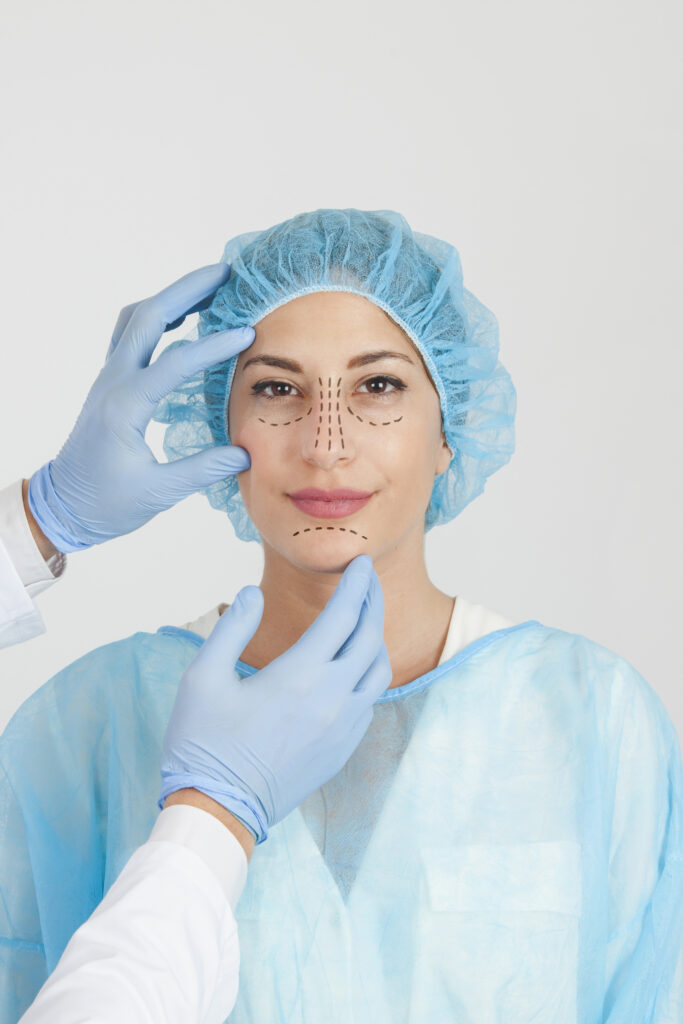
- Detailed imaging and planning, including 3D scans
- Multidisciplinary collaboration with orthodontists, speech therapists, and pediatric specialists
- Personalized follow-ups for scar management, breathing function, and emotional support
Most importantly, he treats each case as unique. There are no cookie-cutter solutions in cleft surgery. Every patient’s anatomy, history, and goals are different — and his treatment reflects that.
Stories That Speak Volumes
One 16-year-old girl had never smiled in a photo before. After cleft rhinoplasty, fat grafting, and lip revision, she posted her first selfie — beaming. Another young boy, once painfully shy and self-conscious, now stands tall, makes jokes, and breathes effortlessly through both nostrils.
These are not superficial changes. They are deeply human transformations — proof that medical care, when done with empathy and skill, can heal much more than the body.
Technical Precision Meets Human Compassion
Behind the scenes, these surgeries involve:
- Cartilage grafting (from the ear or rib)
- Septal reconstruction
- Tip reshaping using structural grafts
- Base narrowing with osteotomies
- Minimally invasive harvesting of fat and bone
- Meticulous scar placement and revision
But patients don’t talk about techniques. They talk about finally being able to look in the mirror and smile. About breathing clearly. About feeling normal.
That’s the magic — and the mastery — of this work.
The Future: Evolving Techniques and Hope
With advances in 3D printing, custom implants, and bioengineered grafts, the future of cleft and facial reconstruction is promising. Dr. Jyoshid stays on the cutting edge of these developments — while never losing sight of the human being behind every procedure.
Final Thoughts: More Than Medicine
Cleft rhinoplasty is not glamorous. You won’t see it trending on social media. But for those who undergo it, it’s nothing short of life-changing.
Through a thoughtful combination of rhinoplasty, lip correction, bone grafting, and fat grafting, Dr. Jyoshid Balan offers more than a new face. He offers a second chance at life — with confidence, dignity, and the ability to breathe freely.
That’s not just surgery. That’s transformation.