Dr. Jyoshid Balan, with his extensive experience and meticulous surgical skills, stands at the forefront of treating these delicate injuries. His approach often begins with a thorough clinical evaluation, utilizing advanced imaging and electrodiagnostic studies to ascertain the extent of the nerve damage. The goal is to formulate a tailored treatment plan that may involve a combination of non-surgical therapies and, when necessary, surgical intervention.
Surgical procedures, such as nerve grafting and nerve transfers, are meticulously executed by Dr.Jyoshid Balan to restore the vital connections within the brachial plexus. Nerve grafting involves using nerves from other parts of the body to repair the damaged ones, while nerve transfers reroute functioning nerves to reinnervate the affected muscles. These procedures, though complex, offer a significant chance of recovery when performed within the critical time window.
The road to recovery for infants with brachial plexus injuries is long and requires a multidisciplinary approach. Dr. Jyoshid Balan emphasizes the importance of ongoing physical therapy to enhance muscle strength and function. Equally crucial is the emotional support provided to the families, helping them navigate the challenges and celebrate the milestones of their child’s recovery.
As medical science continues to advance, the future for children with birth brachial plexus injuries looks promising. Under the expert care of specialists like Dr. Jyoshid Balan, there is hope that each child can reach their full potential, transforming a challenging start into a story of resilience and triumph.

30May
In the delicate dance of childbirth, where new life enters the world, not every moment proceeds without complications. Among the rare yet significant challenges is the birth brachial plexus injury, a condition that can cast a shadow on the joyous occasion of welcoming a newborn. Enter Dr. Jyoshid Balan, Senior Consultant Plastic Surgeon, whose expertise and compassionate care bring hope to families navigating this unexpected journey.
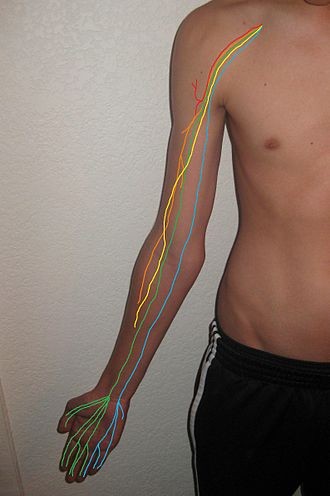
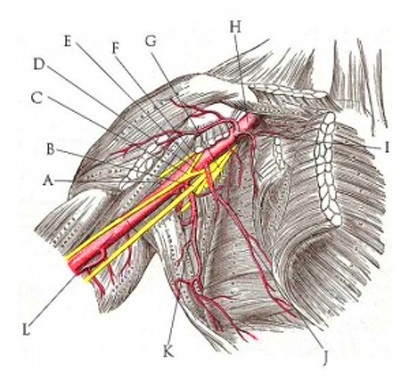
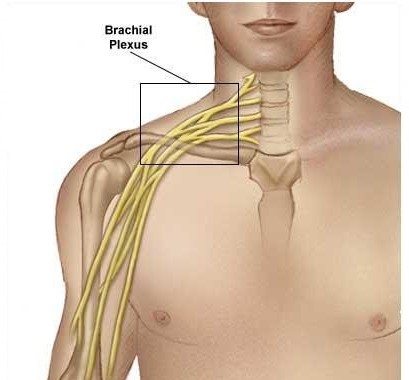
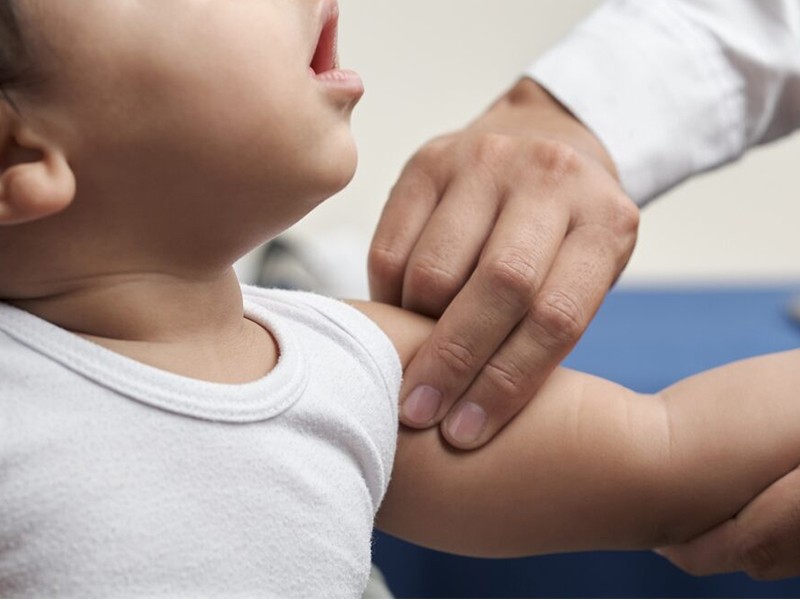
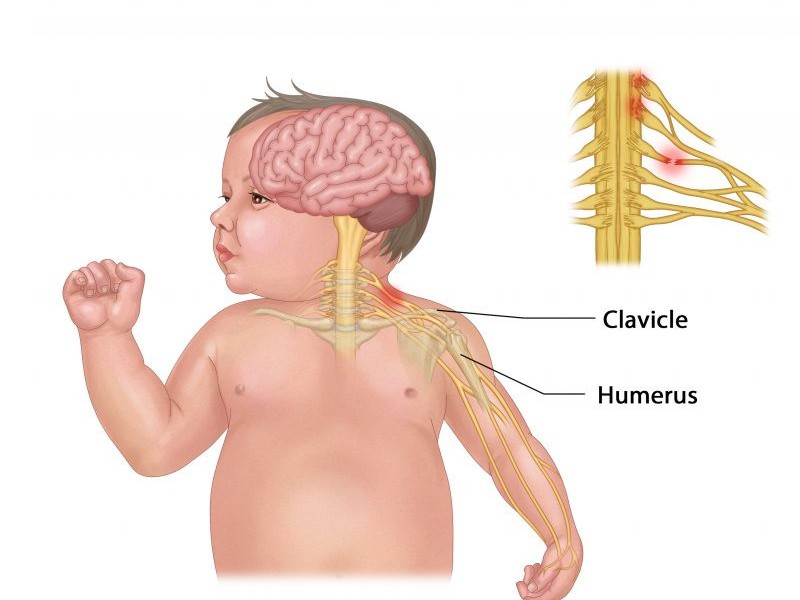
Birth brachial plexus injury, an unfortunate occurrence during difficult deliveries, affects the network of nerves that control the arm’s muscles. This intricate network, stretching from the spinal cord through the neck to the arm, can be damaged during the birthing process, leading to varying degrees of paralysis or weakness in the infant’s arm. Such injuries demand prompt and specialized intervention to maximize recovery and function.
Dr. Jyoshid Balan, with his extensive experience and meticulous surgical skills, stands at the forefront of treating these delicate injuries. His approach often begins with a thorough clinical evaluation, utilizing advanced imaging and electrodiagnostic studies to ascertain the extent of the nerve damage.
The goal is to formulate a tailored treatment plan that may involve a combination of non-surgical therapies and, when necessary, surgical intervention.
Surgical procedures, such as nerve grafting and nerve transfers, are meticulously executed by Dr.Jyoshid Balan to restore the vital connections within the brachial plexus.
Nerve grafting involves using nerves from other parts of the body to repair the damaged ones, while nerve transfers reroute functioning nerves to reinnervate the affected muscles. These procedures, though complex, offer a significant chance of recovery when performed within the critical time window
Dr. Jyoshid Balan’s approach to treating these injuries is multifaceted, beginning with a comprehensive diagnostic process. Utilizing advanced imaging techniques and electro diagnostic studies, he meticulously assesses the extent of nerve damage. This detailed evaluation forms the basis of a personalized treatment plan, tailored to the specific needs of each patient.
Surgical intervention, often necessary in severe cases, involves techniques such as nerve grafting and nerve transfers. Dr.Jyoshid Balan’s precision in nerve grafting, where healthy nerves from other parts of the body replace the damaged ones, and nerve transfers, which reroute functioning nerves to restore arm movement, exemplifies the fusion of art and science in modern medicine. These intricate procedures, while demanding, offer a significant chance of restoring function and mobility.
Recovery from brachial plexus injury is a long journey that requires patience and perseverance. Dr. Jyoshid Balan emphasizes the importance of post-surgical rehabilitation, including physical and occupational therapy, to optimize recovery outcomes. His holistic approach ensures that patients receive not only physical healing but also emotional support throughout their recovery journey.
30May
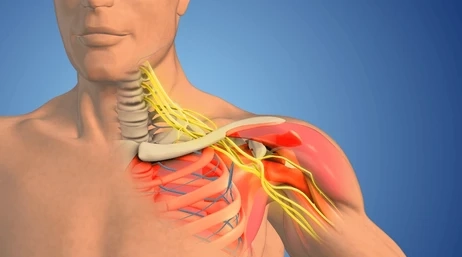
In the intricate tapestry of human anatomy, the brachial plexus stands as a testament to nature's engineering prowess, a delicate network of nerves that control the arm’s movement and sensation. When this vital system is compromised in adults, the impact can be devastating. Thankfully, Senior Consultant Plastic Surgeon Dr. Jyoshid Balan is at the forefront of treating adult brachial plexus injuries, offering hope and healing through his exceptional expertise and compassionate care.
Adult brachial plexus injuries often result from traumatic events such as vehicular accidents, sports injuries, or severe falls. These injuries can lead to partial or complete paralysis of the arm, profoundly affecting an individual’s quality of life. The complexity of the brachial plexus, with its intricate web of nerves, poses a significant challenge for medical professionals. However, Dr. Jyoshid Balan’s extensive experience and skill in plastic surgery make him a beacon of hope for those affected.
Surgical intervention, often necessary in severe cases, involves techniques such as nerve grafting and nerve transfers.Dr. Jyoshid Balan’s precision in nerve grafting, where healthy nerves from other parts of the body replace the damaged Ones, and nerve transfers, which reroute functioning nerves to restore arm movement, exemplifies the fusion of art and science in modern medicine.
These intricate procedures, while demanding, offer a significant chance of restoring function
and mobility.
Recovery from brachial plexus injury is a long journey that requires patience and perseverance. Dr. Jyoshid Balan
emphasizes the importance of post-surgical rehabilitation, including physical and occupational therapy, to optimize recovery outcomes.
His holistic approach ensures that patients receive not only physical healing but also emotional support throughout their recovery journey. A thread lift can cure the majority of your face’s ageing symptoms. The areas around the cheeks, jaw, neck, and eyes are among the most often treated.
Dr. Jyoshid Balan’s approach to treating these injuries is multifaceted, beginning with a comprehensive diagnostic process.
Utilizing advanced imaging techniques and electro diagnostic studies, he meticulously assesses the extent of nerve
damage. This detailed evaluation forms the basis of a personalized treatment plan, tailored to the specific needs of each patient.
Surgical intervention, often necessary in severe cases, involves techniques such as nerve grafting and nerve transfers.
Dr.Jyoshid Balan’s precision in nerve grafting, where healthy nerves from other parts of the body replace the damaged
ones, and nerve transfers, which reroute functioning nerves to restore arm movement, exemplifies the fusion of art and
science in modern medicine. These intricate procedures, while demanding, offer a significant chance of restoring function
and mobility.
Recovery from brachial plexus injury is a long journey that requires patience and perseverance. Dr. Jyoshid Balan
emphasizes the importance of post-surgical rehabilitation, including physical and occupational therapy, to optimize
recovery outcomes. His holistic approach ensures that patients receive not only physical healing but also emotional
support throughout their recovery journey.
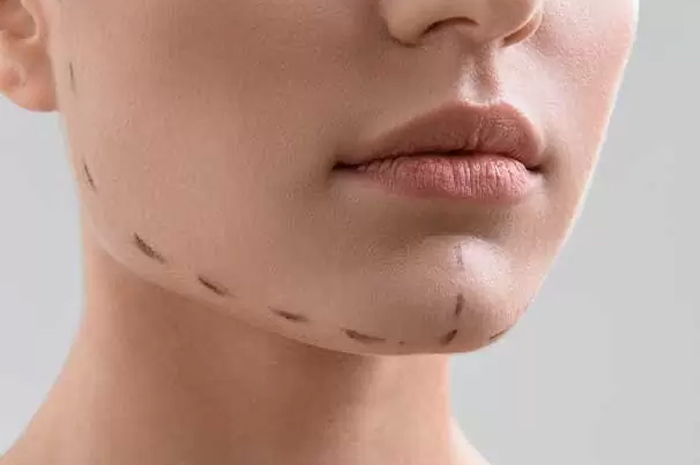
MACS Lift: The MACS Lift (Minimal Access Cranial Suspension) is a minimally invasive facelift procedure that focuses on lifting the lower part of the face. This technique targets specific areas such as: Reducing cheeks, nasolabial folds, and improving jawline. It is typically recommended for patients who have mild to moderate loss of elasticity and muscle tone and may experience sagging of the lower cheeks and jaw. The advantages of the MACS lift are shorter surgery time, faster recovery, and minimal scarring.
Deep Plane Facelift: A deep plane facelift is a technique that repositions and lifts the underlying facial tissues and muscles. Unlike other facelift methods that primarily target the skin, the deep plane technique targets the deeper layers of the face, including the fibrous tissue layer called the superficial Musculoaponeurosis system (SMAS). It is known to provide comprehensive and long-lasting results. Aims to restore a more youthful and natural appearance by improving facial contours and reducing sagging.
Nonsurgical Facelift
Non-surgical facelifts employ non-intrusive or minimally intrusive procedures to modify the aspect of your facial skin. Dermal fillers and fat injections provide volume for a smoother, younger appearance.
Botulinum Toxin Injections: Botox and Dysport are injections that relax tight muscles, which can cause wrinkles. Most people have botulinum toxin injections between their brows, on their forehead, or in the corners of their eyes. The effects could last up to three months.
Chemical peels remove the top layers of skin. Chemical peels can help eliminate big pores, wrinkles, and reveal younger, firmer skin. Most people require numerous chemical peels to attain their desired results.
Dermal fillers: - Also known as soft tissue fillers, are injections of chemicals like hyaluronic acid or gel that provide volume to sunken areas of the face. Dermal fillers restore fullness to your cheekbones and lips. They can also fill up deep creases. These fillers might last from six months to a few years.
Fat injections: - Fat injections, also known as fat grafting, cover sagging portions of your face with fat from other parts of your body. Fat injections are more invasive than dermal fillers since liposuction is required to extract fat from the body, but they stay longer.
Laser skin resurfacing: - Uses powerful light beams to target specific parts of the face. The therapy removes the older, outer layers of your skin. The heat from the light also promotes collagen development. Laser skin resurfacing can make your skin look smoother and tighter.
Microdermabrasion: - It is a minimally invasive technique that uses a rough pad to gently sand away layers of skin. Exfoliation using microdermabrasion can help minimise the appearance of small wrinkles, mild scars, and other skin issues. You may require additional treatments, spaced a few weeks apart. The results last for several months.
Microneedling:
-Thin, tiny needles create little incisions on your face. Microneedling promotes the development of collagen and elastin in your skin. It has the potential to improve the look of loose skin, fine lines, enlarged pores, and sun damage. You may require additional treatments, usually spaced three to eight weeks apart. Full results take approximately three to six months to materialise.
Polydioxanone (PDO) thread lifts.
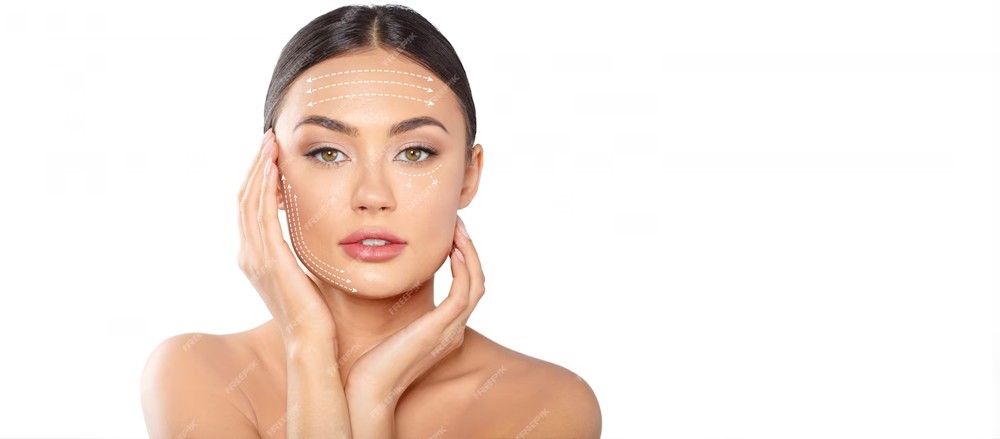
With a thread lift, your skin is lifted and tightened using a dissolvent suture. It is a less invasive technique than facelift surgery and may frequently be completed in about 45 minutes without the need for a scalpel.
A thread lift can cure the majority of your face's ageing symptoms. The areas around the cheeks, jaw, neck, and eyes are among the most often treated.
Face lift surgery is a transformational option for people who want to recover their young glow and confidence. From knowing the operation and prospective benefits to recovery and aftercare, it is critical to investigate all elements of this surgery. Consult with a reputed surgeon to make an informed decision about whether face lift surgery is best for you. Remember that adequate research, finding a knowledgeable surgeon, and setting reasonable expectations are critical to achieving effective results.
22Apr
Facelift- The way to Beautify Your Confidence. Cosmetic surgery procedures, such as facelifts, have become increasingly popular in modern times. In today's age of beauty and self-care, it's not uncommon to look for ways to regain your youthful glow and confidence. Facelift surgery, also known as cosmetic surgery, is becoming an increasingly popular solution for people who want to reduce the signs of aging. There are different types of techniques commonly used to perform a facial skin tightening treatment. The decision about which technique to use depends primarily on the surgeon's preference, the patient's expectations for comfort, and the overall severity of the facial wart. MACS lift and deep plane facelift are two different techniques used in facelift surgery to achieve facial rejuvenation.
MACS Lift: The MACS Lift (Minimal Access Cranial Suspension) is a minimally invasive facelift procedure that focuses on lifting the lower part of the face. This technique targets specific areas such as: Reducing cheeks, nasolabial folds, and improving jawline. It is typically recommended for patients who have mild to moderate loss of elasticity and muscle tone and may experience sagging of the lower cheeks and jaw. The advantages of the MACS lift are shorter surgery time, faster recovery, and minimal scarring.
Deep Plane Facelift: A deep plane facelift is a technique that repositions and lifts the underlying facial tissues and muscles. Unlike other facelift methods that primarily target the skin, the deep plane technique targets the deeper layers of the face, including the fibrous tissue layer called the superficial Musculoaponeurosis system (SMAS). It is known to provide comprehensive and long-lasting results. Aims to restore a more youthful and natural appearance by improving facial contours and reducing sagging.
Nonsurgical Facelift:
Non-surgical facelifts employ non-intrusive or minimally intrusive procedures to modify the aspect of your facial skin. Dermal fillers and fat injections provide volume for a smoother, younger appearance.
Botulinum Toxin Injections: Botox and Dysport are injections that relax tight muscles, which can cause wrinkles. Most people have botulinum toxin injections between their brows, on their forehead, or in the corners of their eyes. The effects could last up to three months.
Chemical peels remove the top layers of skin. Chemical peels can help eliminate big pores, wrinkles, and reveal younger, firmer skin. Most people require numerous chemical peels to attain their desired results.
Dermal fillers: – Also known as soft tissue fillers, are injections of chemicals like hyaluronic acid or gel that provide volume to sunken areas of the face. Dermal fillers restore fullness to your cheekbones and lips. They can also fill up deep creases. These fillers might last from six months to a few years.
Fat injections: – Fat injections, also known as fat grafting, cover sagging portions of your face with fat from other parts of your body. Fat injections are more invasive than dermal fillers since liposuction is required to extract fat from the body, but they stay longer.
Laser skin resurfacing: – Uses powerful light beams to target specific parts of the face. The therapy removes the older, outer layers of your skin. The heat from the light also promotes collagen development. Laser skin resurfacing can make your skin look smoother and tighter.
Microdermabrasion: – It is a minimally invasive technique that uses a rough pad to gently sand away layers of skin. Exfoliation using microdermabrasion can help minimise the appearance of small wrinkles, mild scars, and other skin issues. You may require additional treatments, spaced a few weeks apart. The results last for several months.
Microneedling: -Thin, tiny needles create little incisions on your face. Microneedling promotes the development of collagen and elastin in your skin. It has the potential to improve the look of loose skin, fine lines, enlarged pores, and sun damage. You may require additional treatments, usually spaced three to eight weeks apart. Full results take approximately three to six months to materialise.
Polydioxanone (PDO) thread lifts.